
Is pelvic discomfort disrupting life?
Pelvic discomfort can make daily routines challenging and reduce your sense of well-being. This irritation may be eased by targeted hydration and nutrients. Magnesium can help relax bladder muscles and support comfort.
Find Relief and Restore Comfort
Support for urinary comfort.
Bladder inflammation can cause persistent discomfort, urgency, and frequent urination, making it hard to focus on daily activities. The DRIPBaR offers supportive therapies that may help reduce inflammation, ease pelvic tension, and promote tissue repair. IV hydration and nutrient infusions are designed to address underlying irritation and support the body’s natural healing processes. Magnesium and antioxidants can play a role in relaxing muscles and reducing oxidative stress.Clients seeking relief from chronic bladder irritation may benefit from a comprehensive approach at The DRIPBaR. Our team focuses on providing integrative care that complements traditional treatments and supports long-term wellness. Each session is tailored to individual needs, helping to improve comfort and resilience over time. Book your appointment today to explore supportive options for bladder health.
Did you know?
Bladder inflammation is more common in women and can be triggered by infections, stress, or dietary factors.
Understanding Bladder Inflammation
Bladder inflammation, or cystitis, is the swelling and irritation of the bladder lining, often resulting in pain, urgency, and frequent urination. This condition may be caused by bacterial infections, chemical irritants, or chronic issues like interstitial cystitis. When the bladder’s protective lining is disrupted, urine irritants can aggravate the tissue and lead to discomfort. The body’s immune response and nerve sensitivity play a role in symptom severity.Common triggers include stress, hormonal changes, certain foods, and imbalances in the urinary tract microbiome. Managing bladder inflammation often requires a combination of medical treatment, lifestyle adjustments, and supportive therapies. Paying attention to symptom patterns and making gradual changes can help reduce flare-ups. Tracking your progress over time may reveal which strategies are most effective for you.
Symptoms of Bladder Inflammation
Bladder inflammation often presents with a persistent urge to urinate, even when the bladder is not full. Many people experience a burning sensation during urination, which can be both uncomfortable and disruptive. Pelvic pain or pressure is another common symptom, sometimes radiating to the lower back. These symptoms may fluctuate in intensity, especially during flare-ups.Some individuals notice increased urinary frequency, waking up at night to urinate, or difficulty fully emptying the bladder. The discomfort can interfere with sleep and daily activities, making it harder to concentrate or relax. In chronic cases, symptoms may persist for weeks or months, affecting overall quality of life. Emotional stress and dietary triggers can sometimes worsen these sensations.Bladder inflammation is not always caused by infection; non-infectious forms can be more challenging to manage. Chronic inflammation may involve ongoing tissue irritation and heightened nerve sensitivity. Immune system changes and hormonal fluctuations can also contribute to symptom patterns. Monitoring symptoms and seeking timely support can help manage discomfort and prevent complications.
Traditional Treatments
Conventional treatment for bladder inflammation depends on the underlying cause and may include antibiotics, anti-inflammatory medications, and bladder instillations. For non-infectious or chronic cases, lifestyle modifications and dietary adjustments are often recommended. Stress management and avoiding known irritants can also play a role in reducing symptom severity. Magnesium is sometimes used to help relax bladder muscles and ease discomfort.Integrative approaches, such as IV nutrient therapy, focus on supporting tissue repair, reducing inflammation, and enhancing immune function. These therapies are designed to complement, not replace, standard medical care. Regular monitoring and communication with your healthcare provider are important for tracking progress and adjusting your plan. Combining traditional and supportive therapies may improve comfort and quality of life.
How IV Therapy May Help
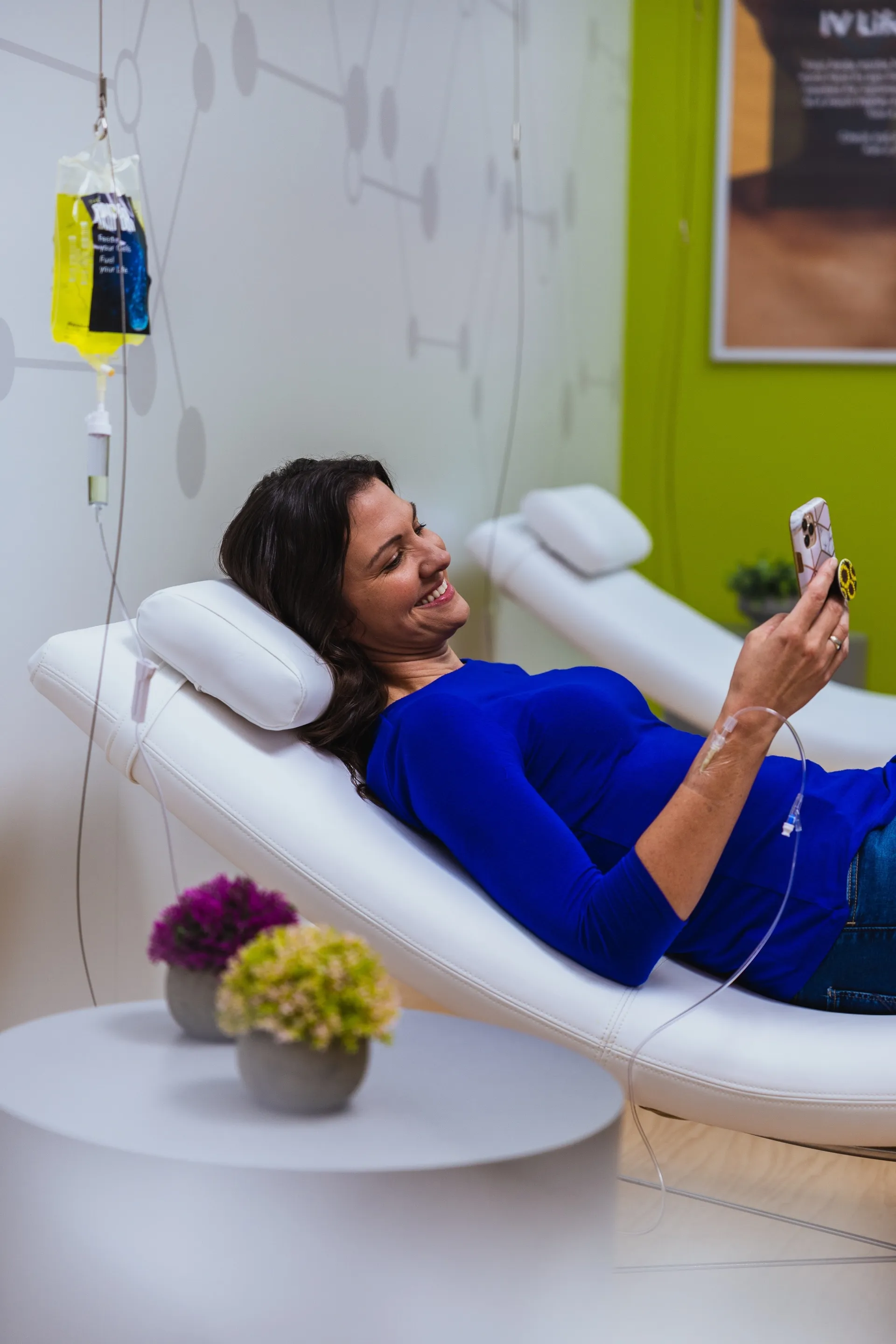
Are you looking for ways to support your bladder health and reduce discomfort? The DRIPBaR provides IV therapies that deliver hydration and targeted nutrients directly into the bloodstream, which may help soothe irritation and promote tissue repair. These services are designed to complement your existing care plan and offer an additional layer of support. Tracking your symptoms over time can help you see how these therapies fit into your overall wellness strategy.Our approach emphasizes gentle, consistent care with a focus on relaxation, immune support, and reducing inflammation. Each session is tailored to your needs, and our licensed nurses monitor your experience to ensure safety and comfort. By making IV therapy part of your wellness routine, you may notice gradual improvements in urinary comfort and resilience. Staying attentive to your body's signals and adjusting your plan as needed can help you achieve lasting benefits.
Supportive Options for Bladder Wellness
Certain therapies can help reduce pelvic discomfort and support urinary health. These offerings focus on hydration, relaxation, and immune balance. Integrative care may help ease symptoms and promote recovery.
Cold Plunge
Cold Plunge therapy involves brief immersion in chilled water to stimulate the body’s natural recovery mechanisms. This activates vascular and neurological pathways that help reduce muscle soreness and improve mental clarity. The process also triggers neurotransmitter release, which can enhance mood and focus. Regular use may support metabolic activity and energy balance. This therapy is a natural, non-invasive approach to supporting overall wellness and resilience. It can be integrated into various health routines for ongoing benefits.
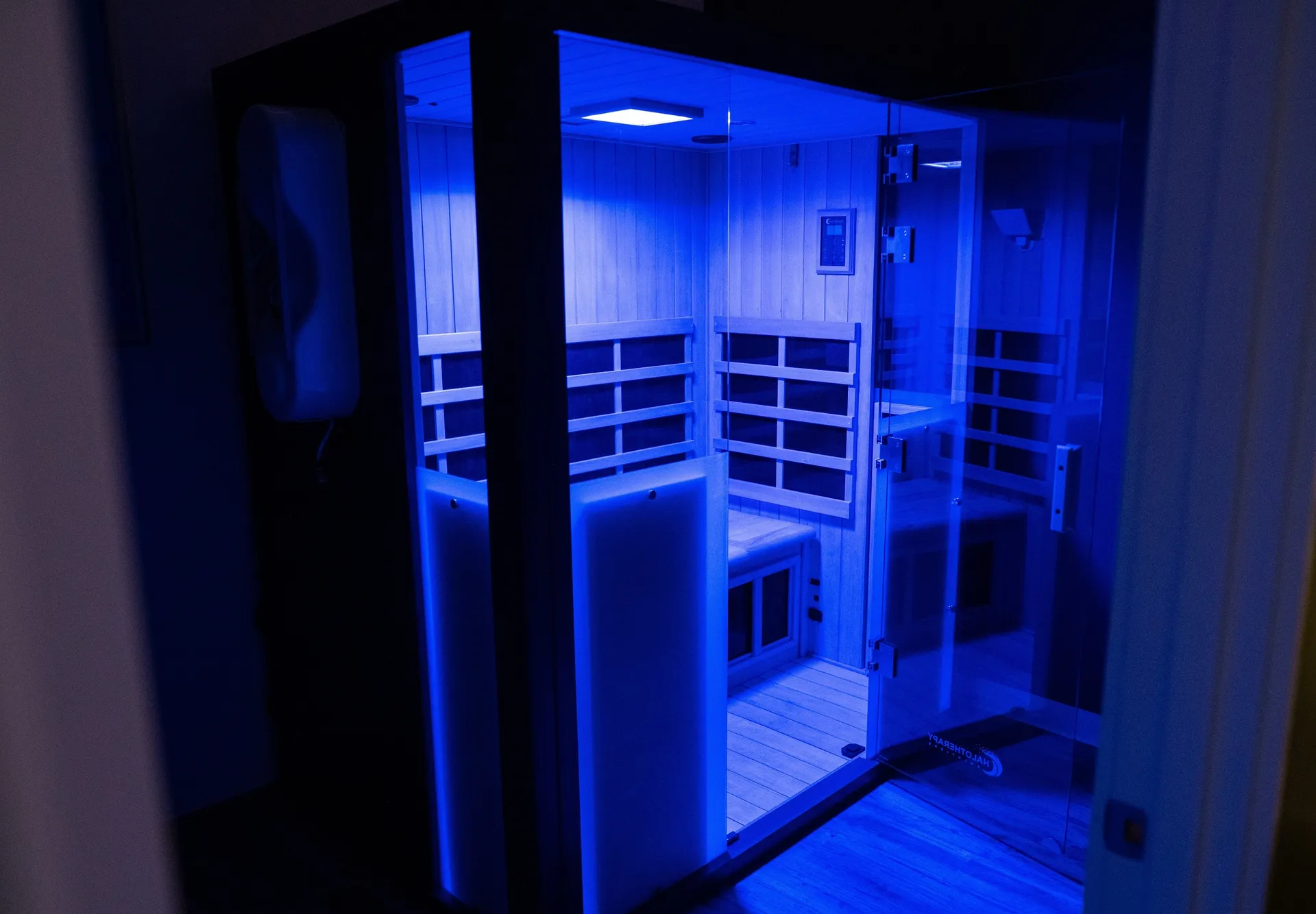
Infrared Sauna therapy offers a unique way to support the body’s natural healing processes through deep, targeted heat. By gently raising core temperature, it promotes improved circulation and encourages the elimination of toxins. The warmth helps ease muscle tension and supports skin health by enhancing nutrient delivery. Sessions are conducted in a private, comfortable setting with trained staff to ensure a relaxing experience. This therapy can be integrated with other wellness services to enhance overall benefits. Regular use may contribute to improved comfort, relaxation, and metabolic balance. It is suitable for individuals seeking a gentle, effective approach to wellness support.
Magnesium, Calcium, Taurine
Soother is a restorative intravenous infusion that delivers key nutrients like Magnesium, Calcium, and Taurine directly into the bloodstream. This approach supports muscle relaxation, emotional balance, and improved sleep quality. The infusion bypasses digestive limitations for faster nutrient absorption. It is designed for individuals seeking relief from stress, tension, and fatigue. The formula promotes mental clarity and physical recovery. This treatment offers a gentle way to restore balance and resilience. It fits well within a proactive wellness routine.
FAQs About Bladder Inflammation
What are long-term strategies for sustaining comfort?+
Long-term comfort often comes from combining medical treatment with supportive therapies and lifestyle changes. Staying hydrated, managing stress, and avoiding known irritants can help reduce flare-ups. Regular IV therapy may offer ongoing support for tissue repair and immune balance. Tracking your symptoms over time can help you see which strategies work best.
What should I expect during a visit if I have bladder inflammation?+
During your visit, you will discuss your symptoms and wellness goals with a licensed nurse. The session may include a review of your medical history and a tailored IV therapy plan. You can expect a comfortable environment focused on relaxation and hydration. Afterward, you may notice gradual improvements in comfort and urinary symptoms.
How can I track progress to see the effects of bladder inflammation support?+
Tracking progress involves noting changes in symptoms such as urgency, frequency, and discomfort. Keeping a simple diary can help you identify patterns and improvements. Regular check-ins with your care team allow for adjustments to your wellness plan. Over time, you may notice reduced flare-ups and improved daily comfort.
What everyday routines benefit the immune system?+
Supporting your immune system involves staying hydrated, eating a balanced diet, and managing stress. Regular physical activity and adequate sleep also play important roles. Avoiding known irritants and practicing good hygiene can further protect urinary health. These habits may help your body respond better to inflammation.
What choices make bladder inflammation support work better?+
Making healthy choices such as drinking enough water and avoiding bladder irritants can enhance the benefits of supportive therapies. Managing stress and following your care plan are also important. Consistency with IV therapy may help maintain comfort over time. Discuss any changes in symptoms with your care provider for best results.
What are signs your efforts toward comfort are paying off?+
Signs of progress include reduced urgency, less frequent urination, and decreased pelvic discomfort. Improved sleep and fewer flare-ups may also indicate positive change. Tracking these improvements helps you stay motivated and adjust your plan as needed. Celebrate small milestones as you work toward lasting comfort.
Why does consistent care lead to stronger comfort?+
Consistent care helps maintain a stable environment for bladder healing and reduces the risk of flare-ups. Regular hydration and nutrient support can promote tissue repair and immune balance. Over time, these efforts may lead to fewer symptoms and better quality of life. Staying committed to your plan supports long-term wellness.
When should you refresh your magnesium strategy?+
You may want to refresh your magnesium strategy if you notice persistent muscle tension or discomfort. Changes in symptoms or lifestyle can affect your needs over time. Discussing your experience with a licensed nurse can help determine if adjustments are needed. Regular evaluation ensures your approach remains effective.
What are ways to personalize your approach to vitamins?+
Personalizing your vitamin approach involves considering your unique symptoms, diet, and health goals. Working with a licensed nurse can help identify which nutrients may benefit you most. Adjusting dosages and combinations over time can optimize results. Regular monitoring helps ensure your plan meets your changing needs.
What everyday routines benefit the nervous system?+
Supporting your nervous system includes managing stress, getting enough sleep, and staying physically active. Balanced nutrition and hydration also play important roles. Relaxation techniques may help reduce nerve-related discomfort. These habits can contribute to greater comfort and resilience.